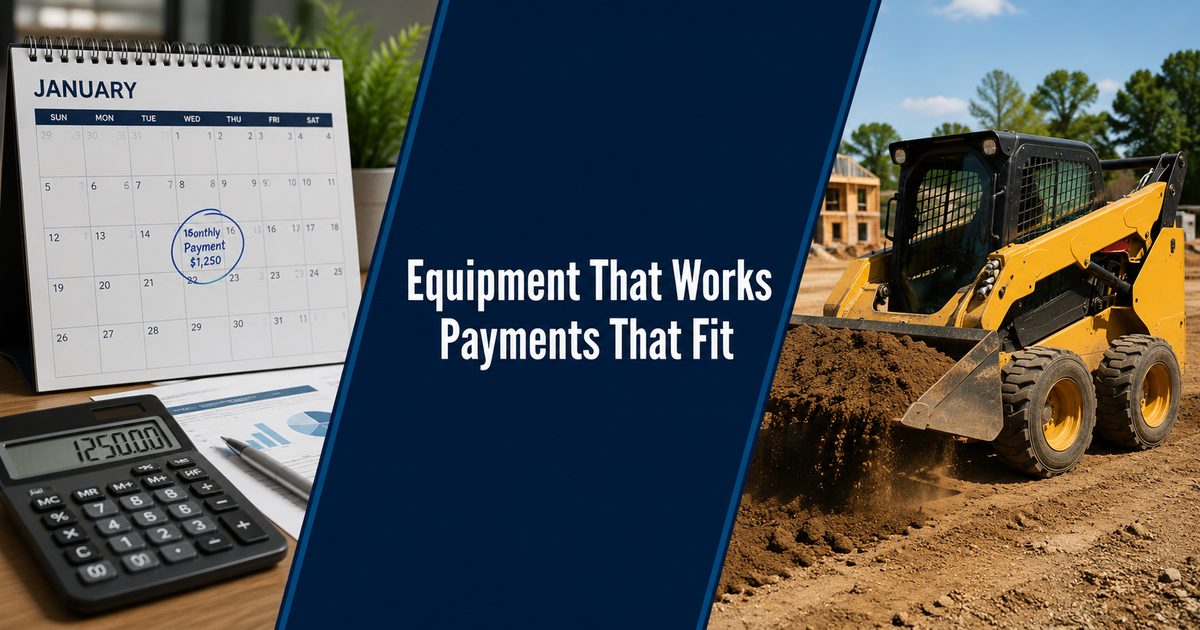
Many business owners know they need equipment before they feel ready to pay for it in full. That is why monthly payments for business equipment are such a common tool.
A contractor may need a skid steer to take on larger jobs. A restaurant may need new kitchen equipment to increase production. A medical office may need technology that allows it to offer additional services. A landscaping company may need a trailer, mower, or compact loader to serve more customers.
The equipment can help the business grow, but the upfront cost can create pressure.
Instead of draining cash reserves or delaying the purchase, equipment financing may allow a business to acquire revenue-producing equipment and spread the cost over time. The goal is not just to buy equipment. The goal is to structure the purchase in a way that supports cash flow, operations, and growth.
What Is Revenue-Producing Equipment?
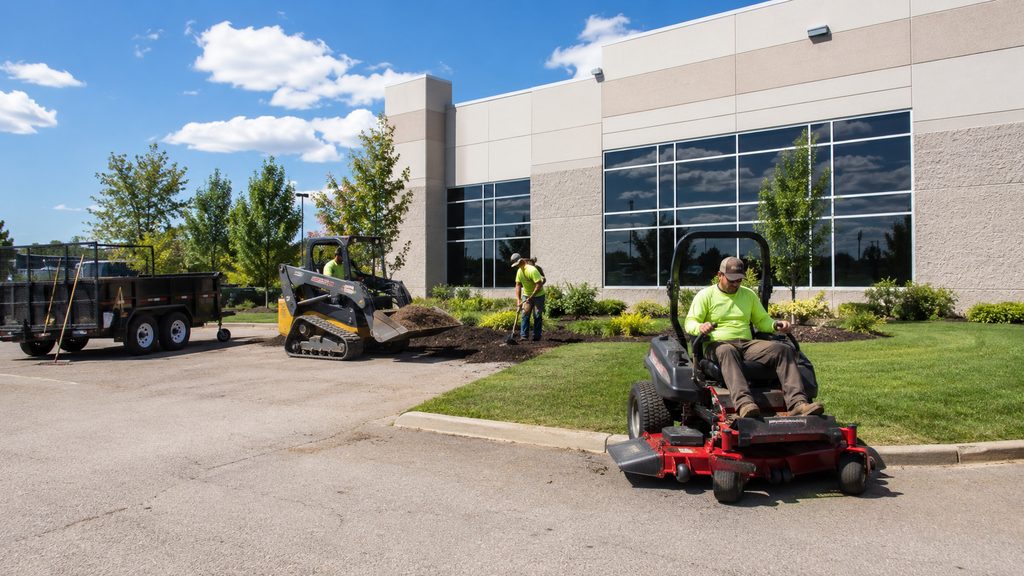
Revenue-producing equipment is equipment that helps a business make money, complete more work, improve efficiency, reduce downtime, or expand its service capacity.
This does not mean the equipment automatically creates profit by itself. It means the equipment plays a clear role in how the business earns revenue or operates more effectively.
Examples may include:
- Construction equipment used to complete jobs faster
- Restaurant equipment used to increase food production
- Medical or dental equipment used to offer more services
- Manufacturing machinery used to increase output
- Landscaping equipment used to complete more jobs per day
- A work truck or trailer used to move crews, tools, or equipment
- Commercial drones used for mapping, spraying, inspections, or surveying
- Auto repair equipment used to increase shop capacity
When equipment has a direct business purpose, monthly payments may be easier to evaluate because the business can compare the payment against the potential value the equipment helps create.
Why Monthly Payments Can Be Better Than a Large Cash Purchase
Paying cash can feel simple. There is no monthly payment, no financing agreement, and no ongoing obligation tied to the purchase.
But using a large amount of cash upfront can weaken the business if it leaves too little money available for operations.
Cash is needed for payroll, rent, fuel, inventory, insurance, repairs, materials, marketing, taxes, and unexpected expenses. A business may own the equipment outright but still feel financially tight if too much cash was used to buy it.
Monthly payments can help spread the cost of the equipment over time while keeping more cash available for the business.
This is especially important when the equipment will be used over several years. If the asset has a long useful life, it may make sense to pay for it over time instead of using a large amount of cash on day one.
Monthly Payments Can Help Match Cost to Use
One of the strongest arguments for equipment financing is that the cost of the equipment can be matched more closely to the period when the business is using it.
For example, if a business expects to use a machine for five years, paying for it over time may fit the way the equipment creates value. The business can use the equipment now while making payments as the equipment supports operations.
This can be more practical than waiting until enough cash is saved, especially if waiting causes the business to miss jobs, delay growth, or continue using unreliable equipment.
The key is making sure the monthly payment fits the business. A payment should be reviewed against expected revenue, seasonal slowdowns, operating expenses, and cash reserves.
The Equipment May Help Create the Cash Flow Needed for the Payment
Revenue-producing equipment may help a business generate the income needed to support the monthly payment.
For example:
- A skid steer may help a contractor complete more sitework jobs.
- A commercial mower may help a landscaping company service more properties.
- A food truck buildout may help a restaurant add a mobile revenue stream.
- A CNC machine may help a manufacturer increase production capacity.
- A diagnostic machine may help a medical practice offer additional services.
- A trailer may help a contractor move equipment without renting or borrowing transportation.
In these cases, the business is not taking on a payment for something unrelated to revenue. The equipment is connected to how the business makes money.
That connection is what makes the decision different from financing a purely optional expense.
Monthly Payments Can Preserve Working Capital
Working capital is the money a business uses to operate day to day. It is the cash available to cover expenses, handle delays, and take advantage of opportunities.
Preserving working capital matters because growth often creates upfront costs before the revenue is fully collected.
A contractor may need to pay crews and buy materials before being paid by a customer. A restaurant may need to buy food and supplies before the next busy weekend. A manufacturer may need raw materials before a large order ships.
If all available cash is tied up in equipment, the business may struggle to fund the work the equipment was purchased to support.
Monthly payments can help the business acquire equipment while keeping more cash available for operations.
Monthly Payments Can Help Businesses Act Faster
Waiting to buy equipment can have a cost.
A business may miss jobs, continue renting equipment, lose time to repairs, or operate below capacity. In some cases, waiting to save enough cash can slow growth more than the monthly payment would have.
Financing can help a business act sooner when the equipment need is real and the payment is manageable.
This can matter when:
- A new contract requires additional equipment
- Current equipment is causing downtime
- Rental costs are adding up
- A used machine becomes available at a good price
- A vendor has inventory ready now
- A business needs equipment before a busy season
The benefit is not just speed. It is the ability to put the equipment to work while preserving cash.
Monthly Payments Make It Easier to Compare the Business Case
A monthly payment gives the business owner a practical number to compare against the expected value of the equipment.
Instead of only looking at the full purchase price, the owner can ask:
- Can this equipment help us earn more than the monthly payment?
- Can it reduce rental costs, repair costs, or labor inefficiency?
- Can it help us complete more jobs or larger jobs?
- Can it help us offer a new service?
- Can we afford the payment during slower months?
- Will we still have enough cash left for payroll and operating expenses?
These questions help turn the purchase into a business decision instead of an emotional decision.
Example: Paying Cash vs Using Monthly Payments
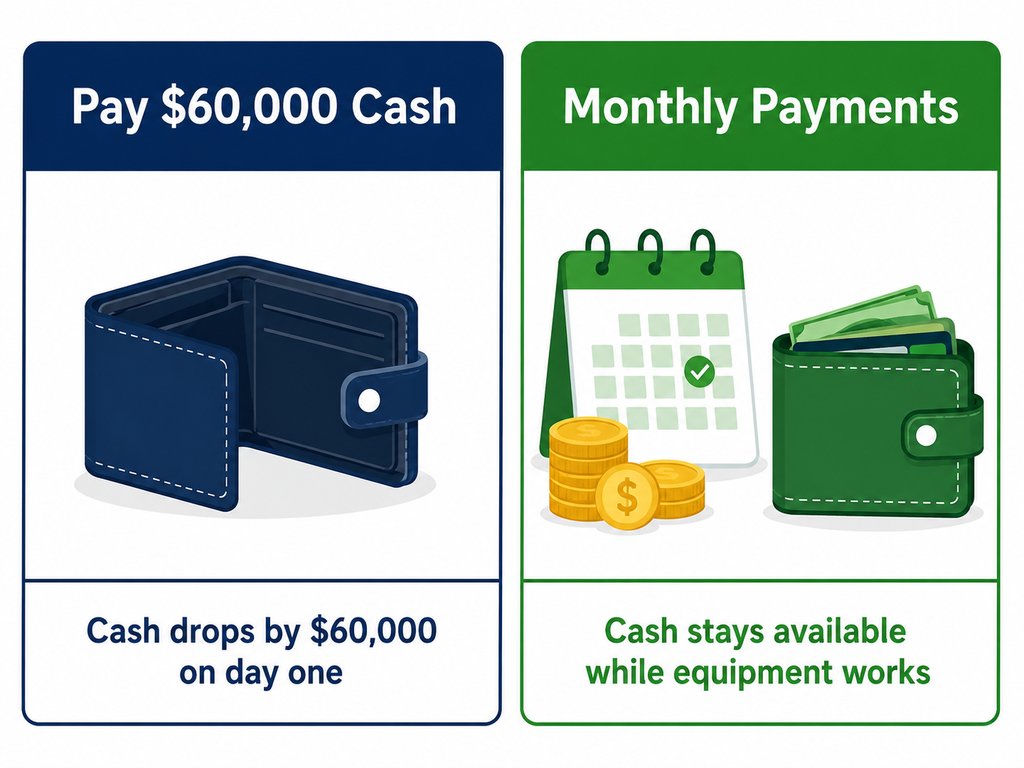
Imagine a business is considering a $60,000 equipment purchase.
If the owner pays cash, the business avoids a monthly payment, but it immediately reduces available cash by $60,000. That may limit money available for payroll, materials, repairs, marketing, or other growth opportunities.
If the business finances the equipment, it takes on a monthly payment, but it preserves more cash for operations. The equipment can be used right away, and the business can evaluate whether the payment fits the revenue or efficiency the equipment may help create.
Neither option is automatically better. The better choice depends on the business cash position, the equipment purpose, the expected use, and the monthly payment structure.
When Monthly Payments May Make Sense
Monthly payments may make sense when:
- The equipment is essential to operations
- The equipment helps generate revenue
- The business wants to preserve cash reserves
- The equipment has a useful life longer than the financing term
- The payment fits the business cash flow
- The purchase helps reduce downtime or rental costs
- The business needs equipment before a large job or busy season
- The owner wants to keep capital available for payroll, materials, or growth
When Paying Cash May Be the Better Option
Monthly payments are not always the right choice. Paying cash may make sense when:
- The equipment cost is small compared with available reserves
- The purchase will not weaken operating cash
- The business does not want or need a financing obligation
- The equipment is not tied to revenue or efficiency
- The business has already set aside enough cash for the purchase and emergencies
- The asset has a short useful life or limited business value
The decision should be based on the full impact to the business, not just whether the business has enough cash on hand today.
How to Evaluate an Equipment Payment

Before agreeing to a monthly payment, business owners should review the purchase carefully. Ask these questions:
- What problem does this equipment solve?
- How will the equipment help the business earn revenue or reduce costs?
- How often will the equipment be used?
- What is the expected useful life of the equipment?
- Can the business afford the payment during slower periods?
- How much cash will remain after any down payment or upfront costs?
- Are there maintenance, insurance, delivery, installation, or training costs?
- Would delaying the purchase cost the business money?
A good equipment purchase should have a clear business purpose and a payment that fits the company cash flow.
Get Prequalified Before You Buy
Prequalification can help business owners understand possible financing options before committing to a purchase.
This is useful because it allows the business to compare monthly payment options, cash impact, and timing before using cash or signing a purchase agreement.
It can also help when shopping for equipment from a dealer, vendor, auction, or private seller because the owner has a better idea of what may be available before making an offer.
Getting prequalified does not mean every purchase is the right purchase. It simply gives the business more information before making the decision.
Final Takeaway
Monthly payments can help businesses buy revenue-producing equipment without draining cash reserves all at once.
When the equipment helps generate revenue, improve efficiency, reduce downtime, or expand capacity, financing may allow the business to put the equipment to work while preserving working capital.
The key is to make sure the payment fits the business. Equipment financing should support growth, not create unnecessary pressure.
Before paying cash or delaying the purchase, compare the full impact of monthly payments, cash reserves, revenue potential, and operating needs.
For many business owners, the right equipment can help the business grow. The right financing structure can help the business grow without becoming cash-poor.
Frequently Asked Questions
Monthly payments allow a business to spread the cost of equipment over time instead of paying the full purchase price upfront. This can help preserve cash reserves while the equipment is being used in the business.
Revenue-producing equipment is equipment that helps a business make money, complete more work, improve efficiency, reduce downtime, or expand service capacity. Examples include construction equipment, restaurant equipment, medical equipment, trucks, trailers, manufacturing machinery, landscaping equipment, and commercial drones.
It depends on the business cash position, the equipment purpose, and the monthly payment. Paying cash may make sense if reserves remain strong. Financing may make sense if the equipment supports revenue and the business wants to preserve working capital.
Yes. Equipment financing may help preserve cash flow by spreading the purchase cost over time and keeping more cash available for payroll, materials, inventory, repairs, and other operating expenses.
A business should be more cautious when financing equipment that does not clearly support revenue, efficiency, or operations. The payment should fit the business and the equipment should have a clear business purpose.
Used equipment can often be financed, depending on the equipment type, age, condition, seller, business profile, credit profile, and lender approval.
Need Equipment That Helps Your Business Earn?
BNC Finance helps business owners explore financing options for revenue-producing equipment, including new and used equipment across many industries.
Preserve working capital, compare monthly payment options, and get prequalified before you buy.
All financing is subject to credit approval. Terms, structures, and availability vary by business profile, equipment type, seller, lender requirements, and approval. This article is for general educational purposes only and is not tax, legal, or financial advice.