
Growing a business usually requires money. The real challenge is how to grow your business without draining your cash reserves in the process.
You may need equipment, vehicles, inventory, technology, staff, marketing, or a larger workspace. The problem is that many business owners try to fund growth by using the same cash they need to keep the business running.
That can create a dangerous situation.
A business may be growing on paper but still feel cash-tight every month. Payroll still has to be covered. Vendors still need to be paid. Customers may take time to pay invoices. Equipment may need repairs. Unexpected expenses can show up at the worst time.
That is why business growth should not only be about whether you can afford something today. It should also be about whether your business will still have enough cash after the purchase — in other words, how to grow your business without draining your cash reserves.
Why Cash Reserves Matter for Business Growth
Cash reserves are the funds your business keeps available for operations, emergencies, and opportunities.
They help cover expenses like:
- Payroll
- Rent
- Insurance
- Fuel
- Repairs
- Inventory
- Marketing
- Taxes
- Vendor payments
- Slow-paying customers
- Unexpected expenses
Without enough cash reserves, even a profitable business can run into problems.
For example, a contractor may win a large project but need upfront cash for labor, materials, and mobilization. A restaurant may need new kitchen equipment but still has food costs and payroll due every week. A medical practice may want to add new technology but cannot afford to weaken cash flow.
Growth creates opportunity, but it also creates pressure. The goal is to grow without putting the business in a fragile cash position.
The Problem With Using Cash for Every Growth Expense
Paying cash can feel responsible because it avoids debt and monthly payments. But using cash for every major purchase can limit your flexibility.
When a business spends a large amount of cash upfront, it may have less money available for the things that actually support daily operations. That can make it harder to handle delays, emergencies, or new opportunities.
For example, if your business has $80,000 in available cash and spends $60,000 on equipment, you still own the equipment, but your cash reserve drops to $20,000.
That may be fine if your expenses are low and revenue is consistent. But if payroll, materials, rent, fuel, insurance, or customer payment delays create pressure, that cash purchase can suddenly feel expensive.
The real cost of using cash is not just the purchase price. It is the flexibility you give up.
Preserve Working Capital When Possible

Working capital is the money available to operate your business. It is what keeps the business moving between sales, expenses, and customer payments.
Preserving working capital allows you to:
- Take on larger jobs
- Handle slow receivables
- Buy inventory or materials
- Cover payroll during growth periods
- Respond to equipment breakdowns
- Invest in marketing
- Hire staff
- Avoid relying too heavily on personal credit
This is one reason business owners use financing even when they have cash available. Financing may allow the business to acquire the equipment, vehicle, or asset it needs while keeping cash available for operations.
Use Financing for Revenue-Producing Assets
One of the best ways to grow without draining cash reserves is to finance assets that help the business generate revenue.
This can include:
- Construction equipment
- Trailers
- Trucks
- Restaurant equipment
- Medical equipment
- Manufacturing machinery
- Landscaping equipment
- Auto repair equipment
- Technology
- Drones and related equipment
- Commercial cleaning equipment
- Material handling equipment
The key question is simple: will this purchase help the business make money, complete more work, improve efficiency, or reduce downtime?
If the answer is yes, financing may make sense because the asset is tied to business growth.
For example, a skid steer may help a contractor complete jobs faster. A new oven may help a restaurant increase production. A diagnostic machine may help a medical office offer more services. A delivery vehicle may help a business expand its service area.
In these situations, equipment financing can help match the cost of the asset to the income it helps create.
Avoid Tying Up Cash in Long-Term Assets
Equipment is usually a long-term asset. If you expect to use a machine, vehicle, or business asset for several years, it may not make sense to use a large amount of cash all at once.
Financing spreads the cost over time. That can be useful when the equipment will provide value over multiple years. Instead of draining cash on day one, the business can make payments while the asset is being used.
This approach can be especially helpful for businesses that are growing quickly and need to keep capital available. Financing can also work alongside tax planning — see our guide on how small businesses use Section 179 to afford new equipment.
Plan for Growth Before You Need the Cash
Many business owners wait until they are already cash-tight before looking for financing. That is not ideal.
It is usually better to plan ahead while the business is stable. If you know you may need equipment, vehicles, inventory, or additional working capital in the next few months, start reviewing options early.
Planning ahead can help you:
- Understand what you may qualify for
- Compare financing options
- Avoid rushed decisions
- Shop for equipment with more confidence
- Preserve cash before a large expense hits
- Prepare for seasonal slowdowns or busy periods
Prequalification can be useful because it gives you a better idea of possible financing options before you commit to a purchase. If your business is newer, our guide to cash management and equipment financing for startups covers this in more detail.
Keep Cash Available for Unexpected Opportunities
Cash reserves are not only for emergencies. They are also for opportunities.
A business may need available cash to:
- Bid on a larger job
- Hire a key employee
- Buy discounted inventory
- Move into a better location
- Cover upfront project costs
- Launch a marketing campaign
- Repair or replace broken equipment
- Take advantage of a limited-time purchase
If all available cash is tied up in equipment or fixed assets, the business may miss opportunities that could have created more growth. Financing can help preserve that flexibility.
Separate Growth Capital From Emergency Cash
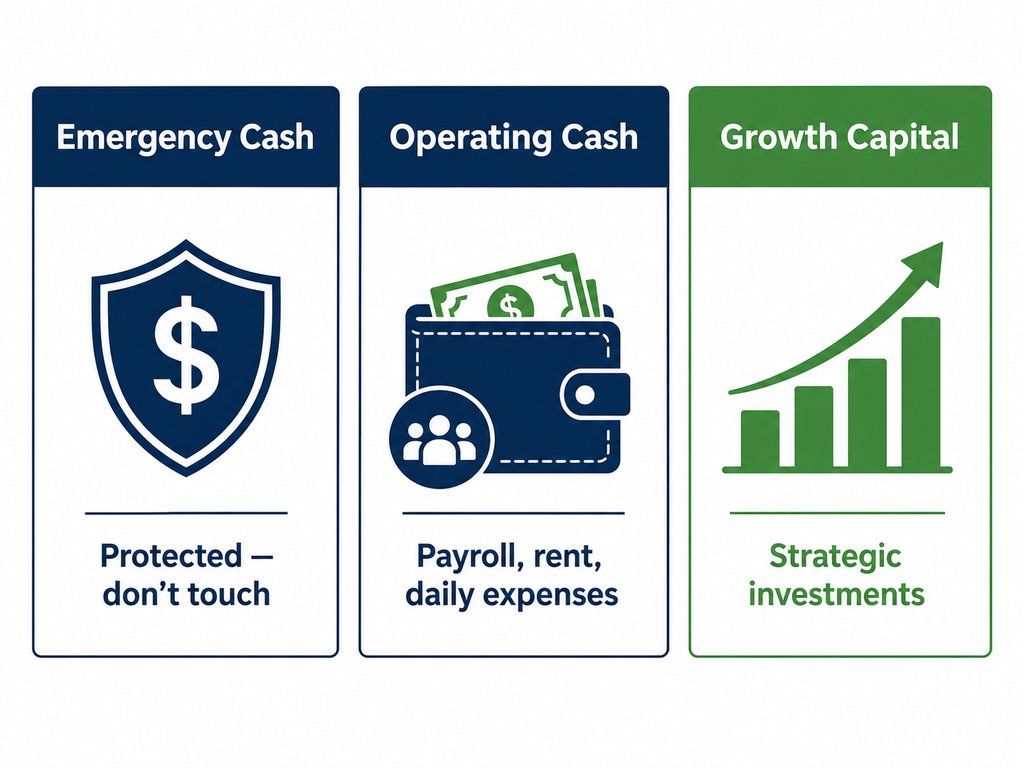
A smart business should avoid treating all cash the same.
Emergency cash should be protected. Operating cash should cover normal expenses. Growth capital should be used strategically for investments that help the business expand.
Before making a major purchase, ask:
- How much cash do we need to keep available for emergencies?
- How much cash do we need for payroll and operations?
- How much can we safely invest in growth?
- Would financing help us preserve flexibility?
- Will this purchase help generate revenue or reduce costs?
These questions help prevent a common mistake: using too much cash for a purchase and leaving the business undercapitalized afterward.
Use Monthly Payments Strategically
Monthly payments are not automatically bad. The issue is whether the payment fits the business.
A payment can make sense when:
- The equipment supports revenue
- The payment is manageable
- The business keeps adequate cash reserves
- The asset has a useful life longer than the financing term
- The business can use the equipment right away
- The purchase helps reduce downtime or increase capacity
A monthly payment may be easier to manage than a large upfront cash expense, especially when the asset helps the business produce income.
The goal is not to take on unnecessary debt. The goal is to structure growth in a way that protects cash flow.
Watch Out for Overexpansion
Financing can help preserve cash, but it should still be used responsibly. Not every growth idea deserves financing.
Before taking on a payment, make sure the purchase has a clear business purpose. Ask:
- Does this equipment solve a real business problem?
- Will it help increase revenue, capacity, or efficiency?
- Can the business afford the payment during slower months?
- Is the equipment essential or optional?
- Are there cheaper alternatives?
- What happens if revenue takes longer than expected?
Healthy growth requires balance. You want to avoid draining cash, but you also want to avoid taking on payments that do not support the business.
Common Ways to Grow Your Business Without Draining Your Cash Reserves
Business owners can preserve cash reserves by using a mix of strategies:
1. Finance major equipment purchases
Instead of paying cash upfront, financing can spread the cost over time while allowing the business to use the equipment now.
2. Lease equipment when flexibility matters
Leasing may make sense for certain businesses that want lower upfront costs, upgrade options, or more flexibility depending on the asset and structure.
3. Use working capital for short-term needs
Working capital can help cover operating expenses, materials, inventory, payroll, or temporary cash flow gaps.
4. Stage purchases over time
Not every purchase needs to happen at once. Prioritize the equipment or assets that create the strongest return first.
5. Prequalify before shopping
Getting prequalified can help you understand your options before making a purchase decision.
6. Keep emergency reserves separate
Do not use every available dollar for expansion. Keep a reserve for unexpected issues.
7. Match financing to the useful life of the asset
Longer-life assets are often better suited for financing than short-term expenses.
Example: Growth Without Draining Cash
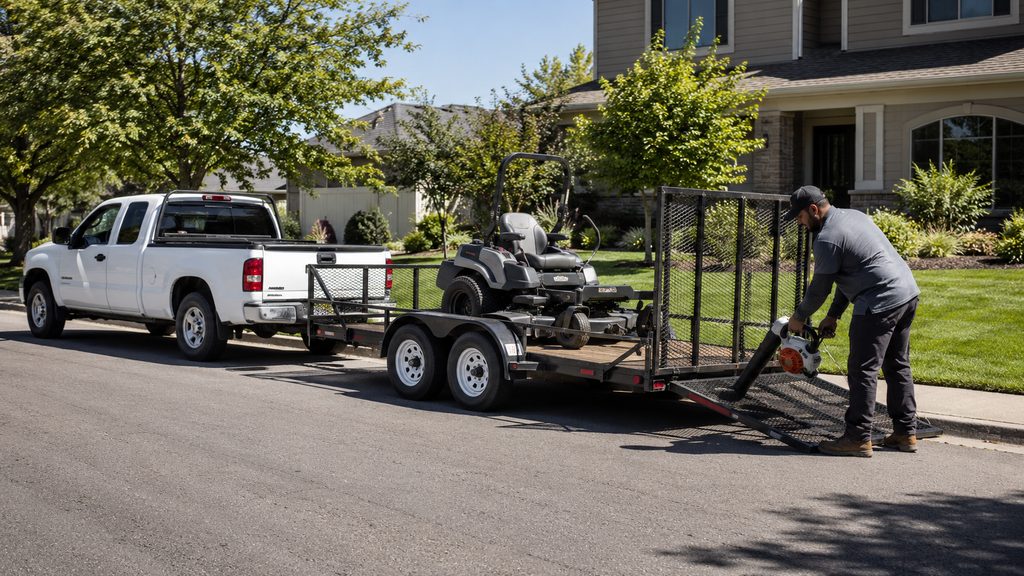
Imagine a landscaping company wants to buy a truck, trailer, and mower package.
The owner could pay cash, but doing so would use most of the company’s reserves. That may leave the business short on money for payroll, fuel, repairs, insurance, and marketing.
Instead, the business may choose to finance the equipment package and preserve cash for operations. The equipment helps the company serve more customers, take on larger jobs, and increase revenue while cash remains available for day-to-day needs.
This is the basic idea behind growth financing. The business gets the tools it needs without weakening its cash position.
Final Takeaway
Growth should not leave your business cash-poor.
Paying cash may be simple, but it is not always the best move if it reduces your ability to operate, handle emergencies, or take on new opportunities.
Financing can help business owners preserve working capital, acquire revenue-producing equipment, and grow without draining cash reserves. The key is to use financing strategically.
Before making a major purchase, compare the impact of paying cash versus financing. Look at your cash reserves, monthly expenses, revenue potential, and the role the equipment will play in your business.
The best growth plan is not just about buying what your business needs. It is about buying it in a way that keeps your business strong.
Frequently Asked Questions
Finance revenue-producing assets instead of paying cash upfront, keep emergency reserves separate from growth capital, stage purchases over time, and use working capital tools for short-term needs so cash stays available for operations.
It depends on what the purchase does to your reserves. If paying cash leaves your business tight on payroll, materials, or emergencies, financing may be the better option because it preserves working capital while the equipment goes to work.
Financing tends to make sense when the asset helps generate revenue, the payment is manageable in slower months, and the useful life of the asset is longer than the financing term.
Ready to Grow Without Draining Your Cash?
BNC Finance helps business owners explore financing options for new and used equipment, working capital, and business growth needs.
Get prequalified before you buy and compare options before using your cash.
All financing is subject to credit approval. Terms, structures, and availability vary by business profile, equipment type, lender requirements, and approval. This article is for general educational purposes only and is not tax, legal, or financial advice.